





















































Amazon, eBay, and Walmart dominate the online marketplace, each offering unique opportunities for sellers. With millions of customers and strong brand recognition, these marketplaces can significantly increase your products’ exposure and sales.
While these marketplaces share some similarities, their approach to selling, competition, and marketing strategies vary widely. Success on each platform requires understanding their core philosophies and tailoring your approach accordingly.
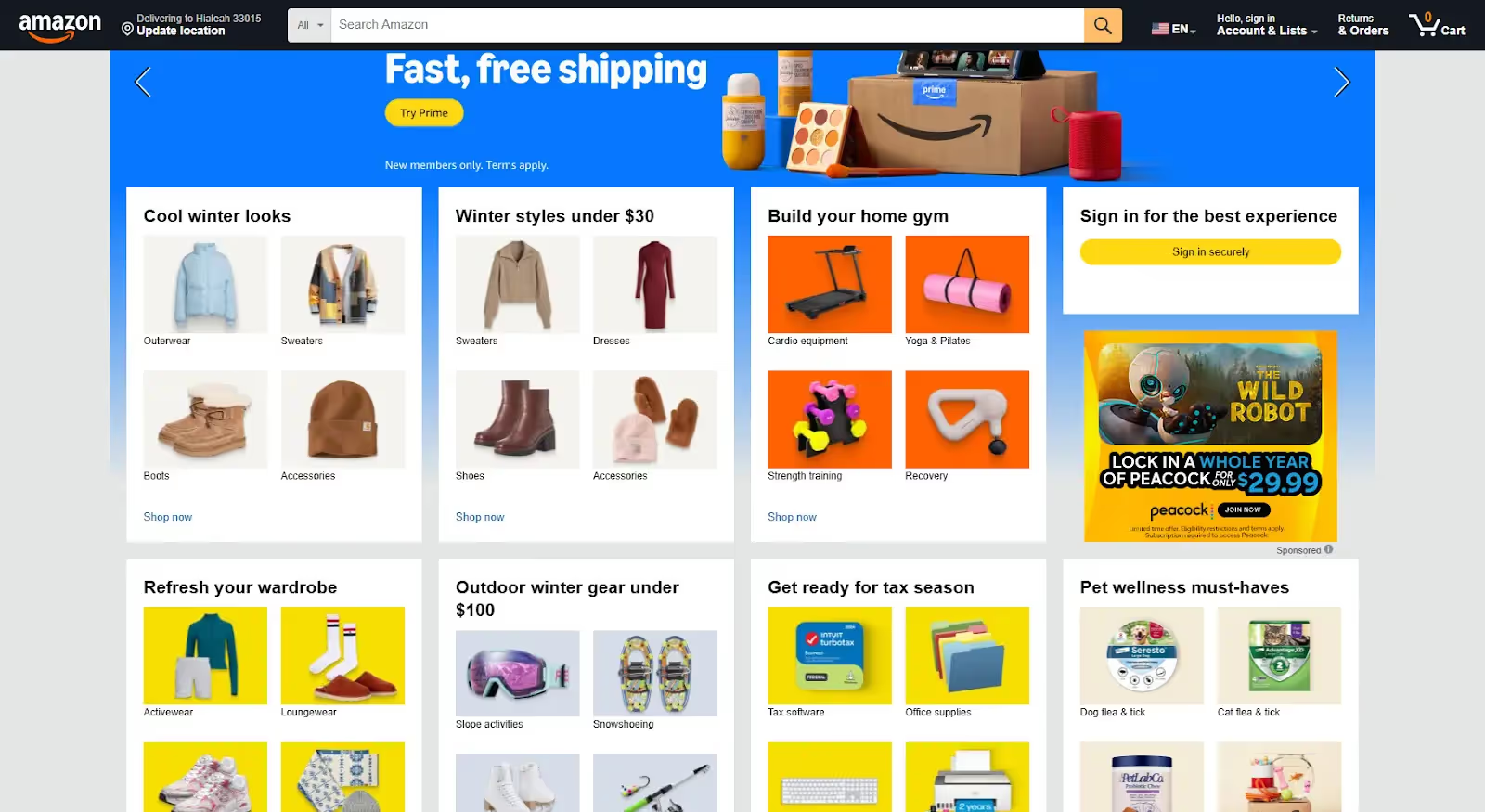
Amazon prioritizes products over sellers, making the buying experience as seamless as possible. When shoppers search for a specific item—say, a particular model of headphones—they see a single product page featuring all available sellers.
How does this work when multiple merchants are selling the same product?
This model favors efficiency, low prices, and fast shipping, making it a great option for sellers who can move high volumes of inventory or leverage Fulfillment by Amazon (FBA).

Unlike Amazon, eBay prioritizes the seller, not the product. When a customer searches for those same headphones, they don’t see a single product page—they see a list of individual seller listings.
This makes eBay ideal for niche products, refurbished or collectible items, and businesses looking to create more personalized listings. However, it also means more direct competition with other sellers offering the same product.
.avif)
Walmart Marketplace is growing fast as a third-party marketplace, blending aspects of both Amazon’s product-driven model and eBay’s seller-centric approach.
This makes Walmart an attractive middle ground for sellers who want the exposure of Amazon without the intense competition for the Buy Box, or those who like eBay’s seller control but want access to Walmart’s massive retail audience.
Built on modern infrastructure, Walmart also provides a more streamlined onboarding process. Unlike older marketplaces, Walmart's platform is free from legacy complexities, making it easier for sellers to manage listings and focus on growth.
With a fast-growing customer base thanks to Walmart+ (its answer to Prime) and a curated seller environment, Walmart offers a unique opportunity for sellers to increase visibility without the traditional 3p marketplace headaches and boost sales without the usually intense competition of other more crowded marketplaces.
Marketing on Amazon, eBay, and Walmart requires distinct approaches due to their different structures, customer behaviors, and competitive dynamics. Understanding these differences is crucial for sellers aiming to maximize visibility and sales on each marketplace.
Below, we’ll break down third-party seller best practices for each marketplace.

Amazon Seller Central
Amazon Prime members often prefer products that offer fast, free shipping. Ensuring your products are Prime eligible can increase their appeal.
Fulfillment by Amazon (FBA): Utilize FBA to have Amazon handle storage, packaging, and shipping, making your products Prime eligible.

Seller-Fulfilled Prime: If managing your own logistics, meet the requirements to offer Prime shipping directly.
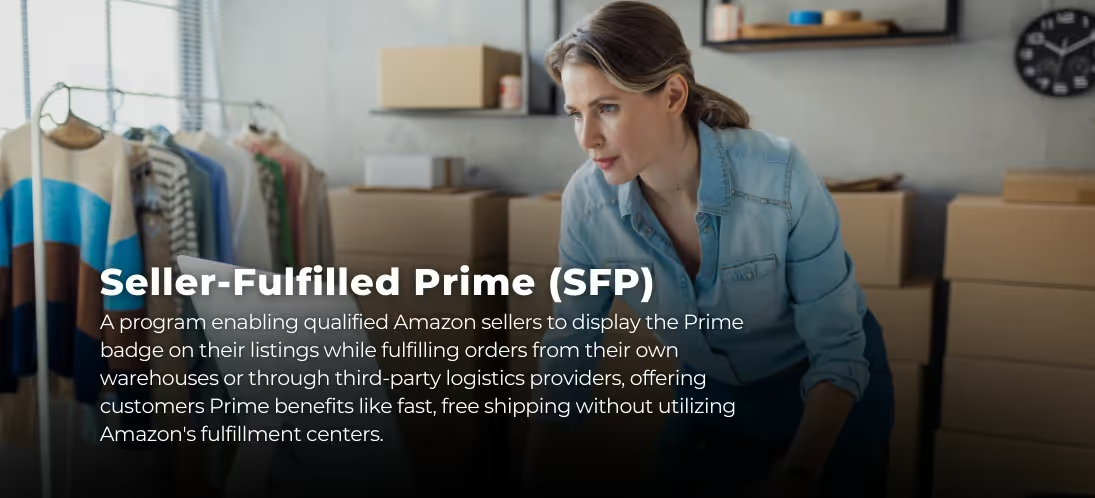
Ensuring your products are Prime eligible can boost sales. GoDataFeed's seamless integration with Amazon can help streamline this process.
Customer reviews significantly influence purchasing decisions on Amazon. Building a strong review profile can enhance your product's credibility.
Amazon's A+ Content allows brand owners to enrich their product detail pages with enhanced images, videos, and detailed descriptions, providing customers with a more engaging shopping experience.
sell.amazon.com

Utilizing FBA can enhance your product's visibility and appeal by offering reliable and fast shipping.
[Learn more in: Amazon Best Sellers Rank Explained: How It Works and How to Climb the Rankings.]
.avif)
eBay Seller Center
First impressions matter. That initial glimpse of your listing either makes your customers click to see more or just keep scrolling. Make yours stellar with these listing optimization tactics:
Pricing plays a key role in attracting buyers. It’s another huge factor in whether they click "Buy now" or move on to the next product.
Positive customer feedback is the gold standard on eBay and will help you to become one of the Top Rated Sellers. Having a high rating increases your trustworthiness, boosting sales.
eBay utilizes a star rating system to reflect a seller's reputation based on customer feedback. The color and type of star indicate the number of positive feedback points a seller has accumulated:
Achieving higher star ratings enhances your credibility and can lead to increased buyer trust and sales.
ebay.com
.avif)
Walmart Seller Center: Success Hub
Walmart Marketplace is growing rapidly, but it operates differently from Amazon and eBay. To succeed, sellers need strong pricing strategies and fulfillment options.
[Here’s why Walmart should be your next marketplace.]
Walmart favors low prices—its algorithm rewards competitively

Similar to Amazon’s FBA, Walmart Fulfillment Services (WFS) lets Walmart store, pack, and ship products for you.

Mastering the marketing strategies for each marketplace can increase visibility, improve conversions, and drive long-term sales success.
Selling on Amazon, eBay, and Walmart isn’t just about listing products—it’s about understanding how each platform works and adapting your strategy.
None of these marketplaces is inherently better—it all depends on your goals, product type, and how much control you want over pricing, branding, and fulfillment.
Sellers who succeed across multiple marketplaces focus on:
Whether you’re aiming for Prime eligibility on Amazon, more flexibility on eBay, or visibility on Walmart, the key is to understand each marketplace’s structure and adjust accordingly.
[For a broader perspective on how AI is transforming ecommerce, explore: AI Product Discovery Is Here: Optimizing for Google's Shopping Assistant and Beyond.]
Take the time to fine-tune your listings, experiment with strategies, and track performance. Small tweaks—like adjusting pricing, improving images, or enhancing descriptions—can lead to significant gains in visibility and conversions.
To stay competitive, consider leveraging tools that help optimize product listings and streamline data management across multiple platforms. This approach allows you to adapt quickly to marketplace changes, refine your strategy, and consistently deliver a great customer experience.
Carlos Rodriguez is a seasoned content marketer with a background in marketing and advertising. Formerly at the helm of his own marketing agency, he now dedicates his expertise to guiding ecommerce merchants and marketers in mastering multichannel strategies. Outside of work, Carlos is an avid reader and hiker, often found traversing the mountain ranges of Cundinamarca like El Quinini.
Run a free feed audit and see which of your titles are matching queries you'd never choose to bid on.

%20).avif)